Tel: +86-21-60530355
Mobile: +8615214379688
E-mail: sales@beallindustry.com
Address: No.1088 XinJinQiao Road, PuDong, Shanghai, China


Company Profile
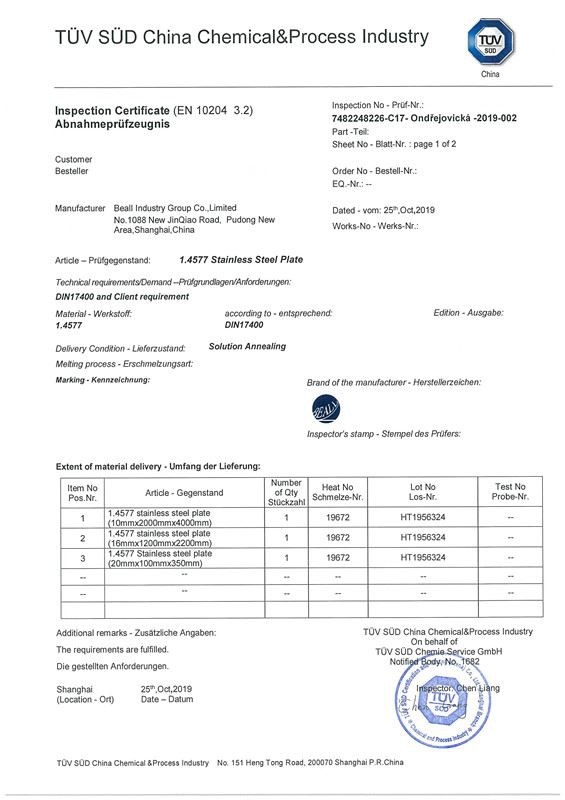
Beall Industry Group Co.,Limited is the leading manufacturer and supplier of stainless steel, duplex stainless and super nickle alloy materials with more than 25 years experience of supplying to a great variety of end users from different fields. Beall Industry Group, establlished in 1992, now covers a total landing area 520,000 square meters and nearly 500 employees.
Rich experience
We are the leading manufacturer and supplier of stainless steel and super nickle alloy materials with more than 25 years experience of supplying to a great variety of end users from different fields.
Advanced equipment
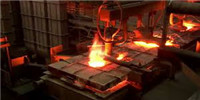
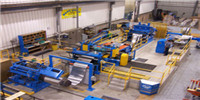
Now the production plants of company covers 4 production lines of smelting, with well equiped processing platforms including shearing, cutting, surface finishing, forming, welding and maching.
Good service
With close collaboration between our experienced production, processing and professional international sales team, company promises customers reliable quality, on time delivery, professional service before and after sales.
Competitive price
Company does its best to help customers save cost, enhance competitiveness, make profit.
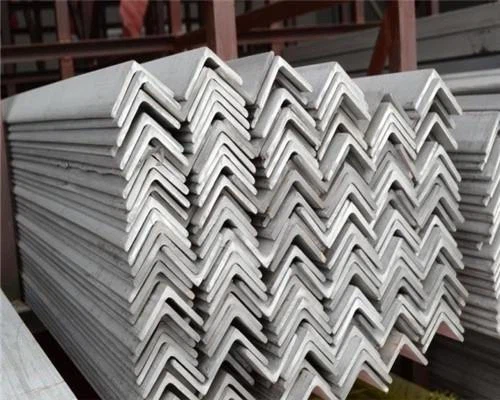
Stainless steel profile is a building material that generally uses steel alloys and has a high resistance to corrosion. Due to its durability and aesthetic appearance, stainless profiles are preferred in many industrial and architectural applications.
Stainless steel profiles are extremely reliable as they are consistent and uniform in their strength-to-weight ratio.
The ductility and tensile strength of stainless steel profiles provide excellent support and stability in a range of applications.
The corrosion-resistant properties ensure that structures are not compromised by wear and tear, rust, cracking, or decay.
The lightweight nature of stainless steel decorative profiles makes them easy to incorporate, even in the case of an extension.
Stainless steel profile cutting can ensure that the exact specifications required for a structural engineering job are available. Precise cuts ensure that there’s no structural weakness due to profiles requiring add ons to fit or accommodate certain designs.
Stainless steel square profile
Stainless steel square profile is a robust construction material used in various industrial and structural applications. It is designed in square section and manufactured from stainless steel.
This profile attracts attention with its excellent corrosion resistance, high strength and aesthetic appearance. It is generally preferred in various machine parts, decorative elements, furniture and construction projects.
Stainless steel rectangular profile
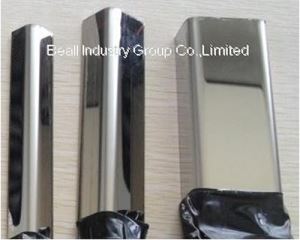
The stainless rectangular profile has similar characteristics to the square profile, but is designed in a rectangular cross-section. This type of profile is particularly used in applications such as framing, door and window frames, industrial shelving systems. Combined with the advantages of stainless steel material, these profiles offer long-lasting and reliable solutions.
T profile
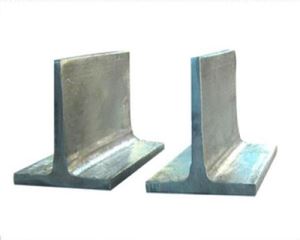
If you’re looking for a stainless steel profile with a lot of stability, then the T profile is the right choice. It has a T-shaped cross-section that provides extra support to the structure. The T profile is used to manufacture window frames, load-bearing walls, and door frames.
U profile
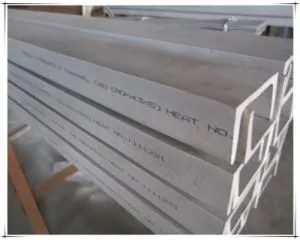
The U profile is another popular choice in the construction industry. Its U-shaped cross-section makes it easy to join two parts of a structure together. This type of profile is commonly used in manufacturing partitions, ceiling systems, and cabinets.
L profile
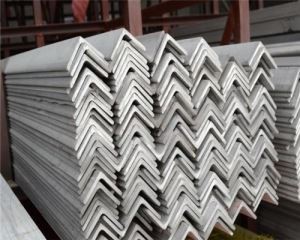
L profiles are an excellent choice for construction projects as well. They are easy to work with and have a unique structure that allows them to be used in various applications. L profiles are commonly used to construct door frames, wall partitions, and structural support members.
Z profile
The Z profile is a common profile in the manufacturing industry. It has a unique structure allows it to be used in a wide variety of applications. The Z profile manufactures ventilation systems, roof structures, and construction frames.
C profile
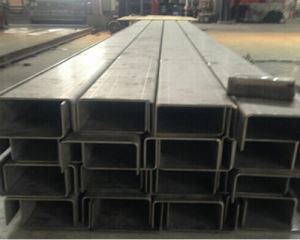
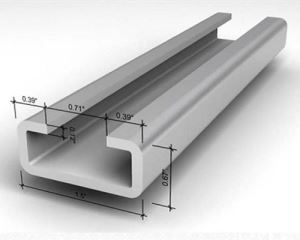
The C profile is a versatile profile that has a unique shape. It is commonly used in industrial and commercial applications, where strength and durability are crucial. The C profile is used to manufacture building support structures, machine enclosures, and conveyor systems.
Stainless steel profiles are often used in construction due to their strength and durability. They are ideal for supporting heavy loads and resisting deformation under stress. Architects also use stainless steel profiles to create modern, sleek building designs. For example, they can frame glass windows, doors, and balustrades.
The automotive industry is another significant user of stainless steel profiles. They are used in vehicle manufacturing as frames for the chassis and structural components for car doors, roofs, and windows. Stainless steel profiles are also used for exhaust pipes, bumpers, and engine components due to their high resistance to heat and corrosion.
Stainless steel profiles are popular in the marine industry due to their high corrosion resistance. They are commonly used in the construction of boats, yachts, and shipbuilding, including railings, handrails, and ladders. Stainless steel profiles are also used for marine heat exchangers, which help prevent corrosion caused by seawater.
Stainless steel profiles can be used decoratively in homes and offices due to their sleek and elegant look. They are used for creating household furniture such as shelves, bookcases, and bed frames and decorative items such as photo frames and lampshades. Stainless steel is resistant to water, making it ideal for constructing kitchen and bathroom fittings and accessories.
Stainless steel profiles are widely used in industrial applications. They are commonly used in the food processing and packaging industry due to their resistance to corrosion and ease of cleaning. Stainless steel profiles are also used in the pharmaceutical, chemical, and petrochemical industries, where it is necessary to use equipment that is not reactive with chemicals and can withstand high temperatures.
Austenitic stainless steel Grades are quite common. These are not normally magnetic and commonly contain alloys of iron, chromium, nickel, and manganese. These materials can be cold worked and are very corrosion resistant.
Martensitic grades Are corrosion resistant stainless steel alloys that we can harden using heat. These steels do not contain nickel and have higher carbon levels and their elements are considered magnetic. Hence, they are ideal for projects requiring hardness and strength.
Ferritic stainless steel Grades were developed to provide a group that resists oxidation and stress corrosion cracking, while being lighter in weight. These contain chromium and lower carbon content. Ferritic stainless steel is magnetic. These products are mostly used for interior finishes, automotive parts, and for submersion in sea water when molybdenum is added.
Duplex stainless steel Grades are newer to the steel market. The material is a combination of austenitic and ferritic stainless steel material. It possesses higher strength and superior resistance to stress corrosion cracking.
Raw material: The production of steel profiles starts with the selection of suitable raw materials, usually in the form of large steel billets or blooms.
Heating: The selected steel billets are heated in a furnace to high temperatures, typically above 1,000 degrees celsius (1,800 degrees fahrenheit). This heating process makes the steel more malleable and easier to shape.
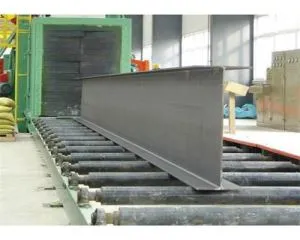
Rolling mill: The heated steel billet is then passed through a series of rolling mills, which consist of sets of specially designed rollers. These rollers gradually shape the steel into the desired profile, such as beams, channels, angles, or i-beams.
Shaping: The rolling mill applies pressure to the steel billet as it passes through the rollers, causing the material to deform and take on the shape of the roller profiles. The number and arrangement of the rollers determine the final shape and dimensions of the profile steel.
Cooling and finishing: After shaping, the steel profiles are cooled, typically through water quenching or air cooling. Cooling helps to solidify the steel's structure and enhance its mechanical properties. Once cooled, the steel profiles may undergo additional processes like straightening, cutting to length, drilling holes, or surface treatment to meet specific requirements.
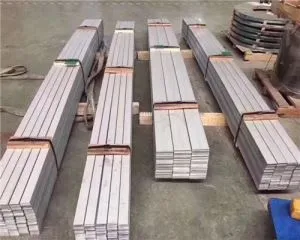
Regular cleaning: The foundation of effective stainless steel flat steel maintenance is regular cleaning. Use a soft cloth or sponge with warm water and mild detergent to remove dirt, dust, and other contaminants. For stubborn stains, a mixture of baking soda and water can be gently applied. Avoid abrasive cleaners or steel wool, as these can scratch the surface and compromise the protective oxide layer.
Proper drying: After cleaning, it's crucial to dry your stainless steel profile thoroughly. Use a soft, lint-free cloth to prevent water spots and potential corrosion. Pay special attention to crevices and joints where moisture can accumulate.
Apply protective coating: Consider applying a food-grade mineral oil or specialized stainless steel protectant to your profile. This creates an additional barrier against moisture and contaminants, helping to maintain the profile's luster and corrosion resistance.
Avoid harsh chemicals: Stainless steel profiles are resistant to many chemicals, but certain substances can cause damage. Avoid exposing your profile to chlorine, bleach, or other harsh chemicals. If accidental contact occurs, rinse the area thoroughly with clean water and dry immediately.
Address scratches promptly: While stainless steel profiles are durable, they can still be scratched. For minor scratches, use a non-abrasive polishing compound designed for stainless steel. For deeper scratches, consult a professional to avoid compromising the profile's integrity.
Regular inspections
Conduct routine visual inspections of your stainless steel profile. Look for signs of discoloration, pitting, or unusual marks that could indicate corrosion or damage. Early detection allows for prompt intervention and prevents minor issues from escalating.
Maintain proper ventilation
In environments with high humidity or exposure to corrosive elements, ensure adequate ventilation around your stainless steel profile. Good air circulation helps prevent moisture buildup and reduces the risk of corrosion.
Professional maintenance
For complex stainless steel angle systems or in industrial settings, consider scheduling regular professional maintenance. Experts can perform thorough inspections, conduct specialized cleaning, and address any potential issues before they become problematic.
There are various factors which you need to consider while choosing the right profile for your project, let’s read about these.
Stainless steel is generally classified in different types and grades on the basis of its properties and alloy composition.
●Austenitic stainless steel
This type is most commonly and widely used and forms 70% of the total stainless-steel production. It comprises of nickel, and chromium which are known for excellent formability and corrosion resistance. Its two main grades are 304 stainless steel and 316 stainless-steel. While the former is best for general purposed due to its versatility, the latter one is ideal for marine environment, medical devices and chemical processing as it offers enhanced corrosion resistance.
●Ferritic stainless steel
This type of stainless steel comprises of chromium that makes it affordable but less resistant to corrosion when compared to austenitic steels. These are generally used in construction, automotive parts, and appliances. 430 stainless steel is a ferritic stainless steel that is known for being resistant to oxidation and heat. It is generally used in automotive trim and kitchen appliances.
●Martensitic stainless steel
This stainless steel is harder and much stronger than the others as it has high carbon content. This stainless steel is used where high strength is required such as surgical instruments, knives, and fasteners. 410 stainless steel of this type is known for providing a great balance of moderate corrosion resistance and strength making it great for creating cutlery and industrial equipment.
Stainless steel can be found in various profile shapes among which choosing the right ones is important to meet the structural and mechanical needs of the project.
The environmental condition plays an important role in determining the stainless-steel profile that you require. The factors such as exposure to chemicals, physical stress, and temperature extremes should be considered.
●Corrosive environments: If you project is exposed to chemicals, industrial pollutants, and seawater then you may opt for a profile with high corrosion resistance such as 316 grade.
●Temperature extremes: If your project has high-temperature usage and involves furnaces and exhaust systems then you may opt of profiles 321 or 310 for their heat resistance property.
●Outdoor conditions: If you need it for outdoor structures then the profile you choose must be capable of withstanding humidity, rain and uc radiation.
Every project is different and have unique functional needs therefore the stainless-steel profile must be chosen according to these needs.
●Load-bearing capacity: Structural applications require profiles which have strong mechanical properties as they are needed to handle weight and heavy stress.
●Aesthetic considerations: The appearance of the stainless-steel matters in the architectural application. Here, profiles like bars and tubes are commonly used for their polished and sleek look.
●Sanitation and hygiene: Stainless steel profiles which are easy to clean and resistance to bacterial growth are best for food processing and pharmaceutical industries.
Stainless steel is great for long-term durability but it is expensive when compared with other metals. It is necessary that you consider your budget while selecting the stainless-steel profile. There are different costs involved such as material cost, processing cost and the lifecycle cost. Ensure that you choose the profile that provides best value at the cost that your budget allows.
5 Tips for Cleaning Exterior Stainless Steel
Don’t use abrasives on stainless steel – Never use abrasive pads, sandpaper, steel wool, metal brushes, or any harsh abrasive cleaners on your stainless steel. Some soft abrasives may work when used in extremely specific scenarios, but always do a spot test and allow the material to dry before moving on to cleaning large areas.
Use appropriate safety equipment – Safety glasses or goggles, aprons, gloves, and other equipment will keep workers safe when handling any acid or corrosive cleaners. If you’re using an electrolytic weld cleaner to clean discoloration and protect the surface, you’ll be able to reduce the amount of safety equipment you need to wear.
Clean in a ventilated and safe environment – Always clean stainless steel components in a well-ventilated area and avoid splashing any chemicals on other surfaces.
Always add water to acid, not acid to water – If you have to use any type of acid when cleaning stainless steel components, always add the water slowly and carefully to the acid to avoid any splashing. Read the safety information before handling any acid to ensure that you are following all of the manufacturer’s instructions.
Follow the procedures – Even if you have used cleaning products before, always double-check the procedures to ensure you don’t miss a step. Not all cleaning products are the same, and different cleaning products require different clean-up and handling procedures.
Beall Industry Group Co.,Limited is the leading manufacturer and supplier of stainless steel, duplex stainless and super nickle alloy materials with more than 25 years experience of supplying to a great variety of end users from different fields. Beall Industry Group, establlished in 1992, now covers a total landing area 520,000 square meters and nearly 500 employees.